

Hey there! As a supplier of fireproof backing boards, I've been thinking a lot about the environmental impacts of these products. Fireproof backing boards are used in a variety of applications, from construction to industrial settings, and it's important to understand how they affect our planet.
Let's start with the production process. Making fireproof backing boards involves several steps, and each one has its own environmental implications. Most fireproof backing boards are made from a combination of materials like cement, fiberglass, and various additives. The production of cement, for example, is a major contributor to carbon emissions. Cement manufacturing requires a lot of energy, usually from fossil fuels, and it releases large amounts of carbon dioxide into the atmosphere. This is a significant concern because carbon dioxide is a greenhouse gas that contributes to global warming.
When it comes to fiberglass, the production process also has its challenges. Fiberglass is made by melting glass and then drawing it into fine fibers. This process consumes a lot of energy and can release harmful chemicals into the air and water. Additionally, the disposal of fiberglass waste can be difficult because it doesn't break down easily in the environment.
But it's not all bad news. Some manufacturers, including us, are taking steps to reduce the environmental impact of fireproof backing board production. For instance, we're constantly looking for ways to use more sustainable materials. We're exploring the use of recycled materials in our boards, which can help reduce the demand for new raw materials and decrease waste. By using recycled cement or fiberglass, we can lower the carbon footprint of our products.
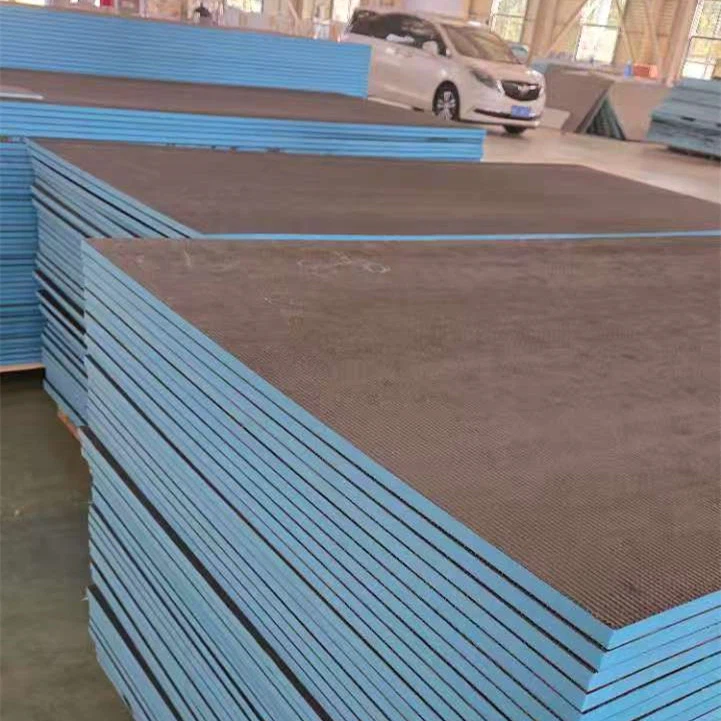
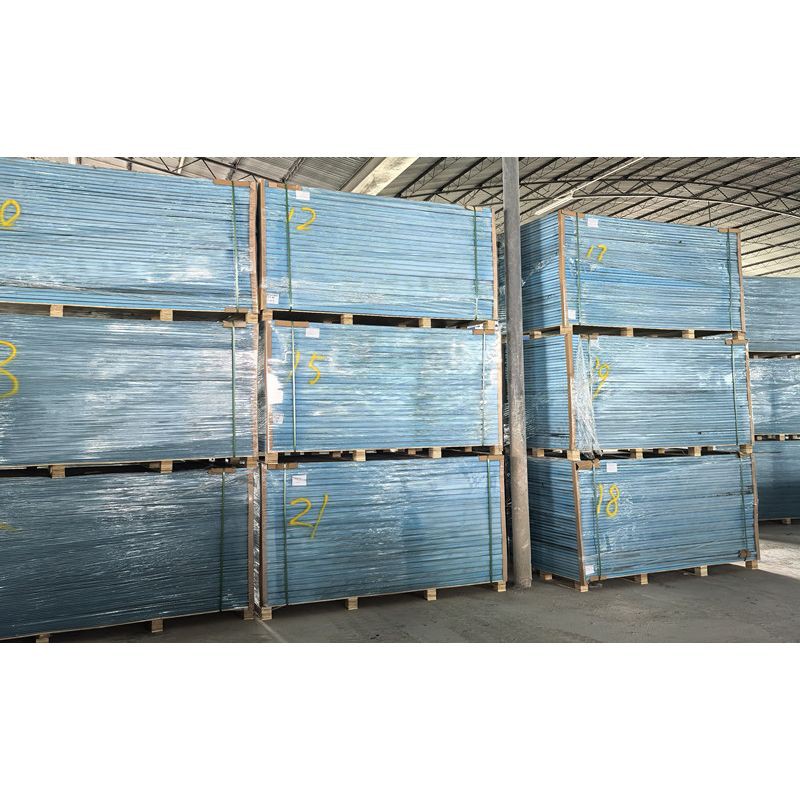
Another aspect to consider is the energy efficiency of fireproof backing boards. These boards are often used in buildings to improve fire safety, but they can also have an impact on energy consumption. A well - insulated fireproof backing board can help reduce the amount of energy needed to heat or cool a building. For example, Insulated Tile Backer Board can act as a barrier, preventing heat from escaping in the winter and keeping cool air inside during the summer. This means less energy is required to maintain a comfortable temperature, which is good for the environment and can also save money on energy bills.
Now, let's talk about the installation and use of fireproof backing boards. During installation, there can be some waste generated, such as cut - off pieces of the board. However, proper waste management can help minimize this. We encourage our customers to recycle any leftover materials whenever possible. And during the use of the boards, if they are properly maintained, they can last a long time. This reduces the need for frequent replacements, which in turn reduces the overall environmental impact.
Waterproofing is also an important factor. Hardiebacker Cement Board for Walls and Foam Waterproof Backer Board are designed to resist water damage. This is crucial because water damage can lead to mold growth and other problems in buildings. By preventing water infiltration, these boards can help extend the lifespan of a building and reduce the need for costly repairs and replacements. This is not only good for the environment but also for the building owners.
However, we also need to be aware of the potential for chemical leaching. Some fireproof backing boards may contain chemicals that could leach into the environment over time. For example, certain additives used to enhance fire resistance might be harmful if they end up in the soil or water. That's why it's important to choose fireproof backing boards that are made with environmentally friendly chemicals and to follow proper installation and disposal procedures.
In terms of end - of - life disposal, fireproof backing boards can pose a challenge. Since many of them are made of materials that don't break down easily, they can end up in landfills. To address this, we're working on developing more recyclable fireproof backing boards. By designing products that can be easily broken down and reused, we can reduce the amount of waste going to landfills.
Overall, the environmental impacts of fireproof backing boards are complex. While there are some negative aspects related to production and disposal, there are also many opportunities to make these products more sustainable. As a supplier, we're committed to doing our part to minimize the environmental impact of our fireproof backing boards.
If you're in the market for fireproof backing boards and want to learn more about our products and how they can fit into your sustainable building projects, we'd love to hear from you. Contact us to start a discussion about your specific needs and how we can provide you with high - quality, environmentally friendly fireproof backing boards.
References
- Cement Manufacturing and Its Environmental Impact. Journal of Environmental Science and Technology.
- Fiberglass Production and Its Effects on the Environment. Environmental Research Letters.
- Sustainable Building Materials: A Review. Building and Environment Journal.