

How to Install Foam Backer Board Waterproof on a Brick Wall
Installing a foam backer board waterproof on a brick wall is a crucial step in many construction and renovation projects, especially in areas prone to moisture such as bathrooms and kitchens. As a leading supplier of [Foam Backer Board Waterproof], I'm here to guide you through the process.
Preparation
Before you start the installation, you need to gather all the necessary tools and materials. You will need a tape measure, a utility knife, a level, a drill, screws, construction adhesive, and of course, the foam backer board. Make sure the brick wall is clean, dry, and free of any debris or loose mortar. You can use a wire brush to clean the wall surface if needed.
Measuring and Cutting the Foam Backer Board
First, measure the area of the brick wall where you plan to install the foam backer board. Use a tape measure to get accurate dimensions. Then, transfer these measurements to the foam backer board. You can use a straightedge and a utility knife to cut the board to the correct size. Make sure to wear safety goggles and gloves when cutting the board to avoid any injuries.
Applying Construction Adhesive
Once the board is cut to size, it's time to apply the construction adhesive. Apply a generous amount of adhesive to the back of the foam backer board in a zig - zag pattern. Make sure to cover the entire surface evenly. Be careful not to apply too much adhesive, as it can squeeze out when you press the board against the wall.
Installing the Foam Backer Board
Carefully place the foam backer board against the brick wall, aligning it with the edges and corners. Use a level to ensure that the board is perfectly horizontal and vertical. Press the board firmly against the wall to make sure it adheres properly. You can use screws to secure the board in place. Drill holes through the board and into the brick wall, and then insert the screws. Make sure to space the screws evenly across the board for maximum stability.
Sealing the Joints
After the board is installed, you need to seal the joints between the boards. Use a waterproof sealant to fill the gaps between the boards. This will prevent water from seeping through the joints and causing damage to the wall. Apply the sealant in a continuous bead along the joints and smooth it out with a putty knife.
Finishing Touches
Once the sealant has dried, you can add any finishing touches such as tiling or painting. Tiling is a popular choice for areas where the foam backer board is installed, as it provides an additional layer of protection against moisture. Make sure to follow the manufacturer's instructions when tiling or painting the surface.
Advantages of Our Foam Backer Board Waterproof
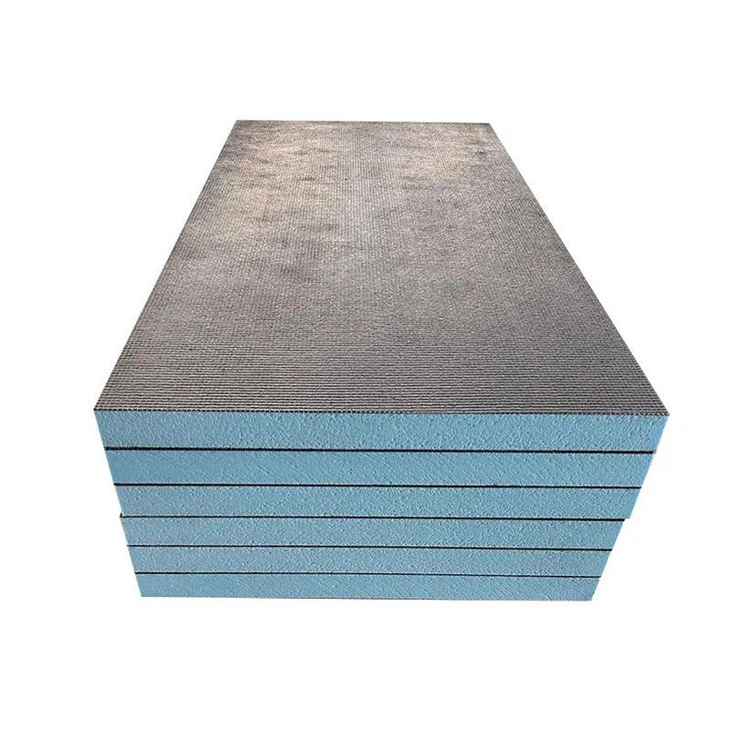
Our foam backer board waterproof offers several advantages. It is lightweight, which makes it easy to handle and install. It also has excellent insulation properties, which can help to reduce energy costs. Moreover, it is highly resistant to moisture, mold, and mildew, making it ideal for use in damp environments.
We offer a variety of foam backer boards to meet different needs. For example, our Lightweight Shower Backer Board is specifically designed for use in showers, providing a lightweight and waterproof solution. Our Rigid Backing Board offers greater strength and durability, making it suitable for heavy - duty applications. And our Heat Resistant Backing Board is perfect for areas where heat resistance is required, such as near stoves or fireplaces.

Contact Us for Procurement
If you are interested in purchasing our foam backer board waterproof, we encourage you to contact us for a detailed discussion. Our team of experts is ready to assist you in choosing the right product for your project. Whether you are a contractor, a builder, or a DIY enthusiast, we can provide you with the high - quality products and professional advice you need. Don't hesitate to reach out to us and start your project with confidence.
References
- Construction Industry Institute. (2020). Best Practices for Waterproofing in Building Construction.
- National Association of Home Builders. (2019). Guide to Installing Backer Boards in Residential Construction.