

When it comes to creating a tiled hot tub surround, one of the key decisions you'll face is choosing the right backer board. Among the various options available, Styrofoam tile backer board has emerged as a popular choice for many homeowners and contractors. As a supplier of Styrofoam Tile Backer Board, I'm often asked whether it's suitable for a tiled hot tub surround. In this blog post, I'll delve into the characteristics of Styrofoam tile backer board, its pros and cons in the context of a hot tub surround, and provide some insights to help you make an informed decision.
Understanding Styrofoam Tile Backer Board
Styrofoam tile backer board is a lightweight and insulating material commonly used in construction projects. It is typically made from expanded polystyrene (EPS) or extruded polystyrene (XPS), which are both forms of foam plastic. These boards are known for their excellent thermal insulation properties, moisture resistance, and ease of installation. They come in various thicknesses and sizes to accommodate different project requirements.

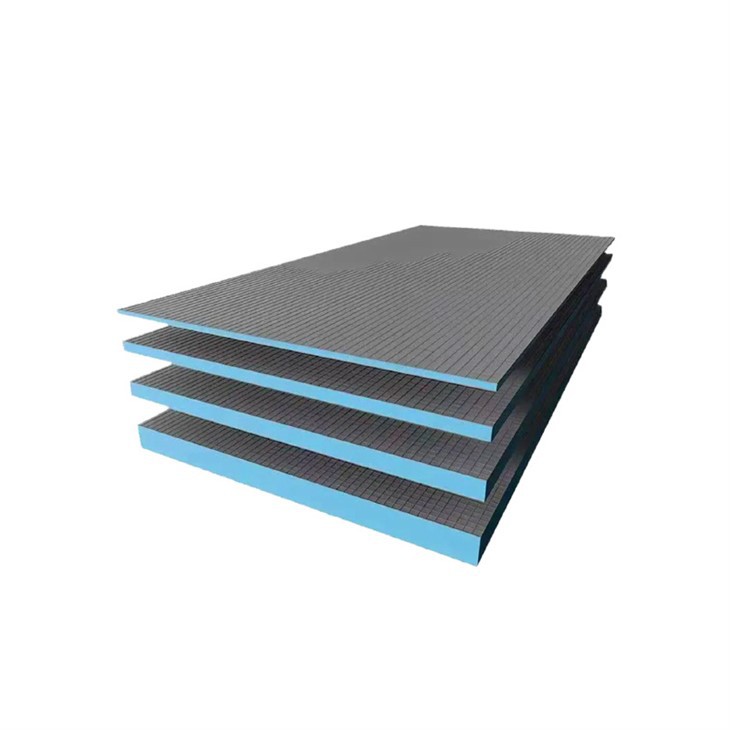
One of the main advantages of Styrofoam tile backer board is its low weight. Compared to traditional backer materials like cement board or drywall, Styrofoam boards are much lighter, making them easier to handle and install. This can be particularly beneficial when working on a hot tub surround, as it reduces the overall weight of the structure and minimizes the stress on the supporting framework.
Another benefit of Styrofoam tile backer board is its insulation properties. Hot tubs generate a significant amount of heat, and having a well-insulated surround can help to retain that heat and reduce energy consumption. Styrofoam boards have a high R-value, which measures their ability to resist heat flow. This means that they can effectively keep the heat inside the hot tub and prevent it from escaping into the surrounding environment.
In addition to its insulation and lightweight properties, Styrofoam tile backer board is also resistant to moisture. This is crucial in a hot tub environment, where there is constant exposure to water and humidity. Unlike some other backer materials, Styrofoam boards do not absorb water, which helps to prevent mold and mildew growth. This can contribute to a healthier and more durable hot tub surround.
Pros of Using Styrofoam Tile Backer Board for a Tiled Hot Tub Surround
- Lightweight and Easy to Install: As mentioned earlier, the low weight of Styrofoam tile backer board makes it easy to handle and install. This can save time and labor costs during the construction process. Additionally, the boards can be easily cut to size using a utility knife, allowing for precise fitting around the hot tub.
- Excellent Insulation: The high R-value of Styrofoam boards helps to keep the hot tub warm, reducing energy costs and improving the overall efficiency of the system. This can be especially beneficial in colder climates or for hot tubs that are used frequently.
- Moisture Resistance: The moisture-resistant properties of Styrofoam tile backer board make it a suitable choice for a hot tub surround. It helps to prevent water damage and the growth of mold and mildew, ensuring a long-lasting and healthy environment.
- Cost-Effective: Styrofoam tile backer board is generally more affordable than some other backer materials, such as cement board or Glass Fiber Reinforced Concrete Wall Panels. This can make it an attractive option for budget-conscious homeowners and contractors.
Cons of Using Styrofoam Tile Backer Board for a Tiled Hot Tub Surround
- Limited Structural Support: While Styrofoam tile backer board is lightweight and easy to install, it may not provide as much structural support as some other materials. In areas where there is a lot of weight or stress, such as around the edges of the hot tub or in high-traffic areas, additional support may be required.
- Flammability: Styrofoam is a combustible material, which means that it can catch fire if exposed to an open flame or high heat. This is an important consideration when using Styrofoam tile backer board in a hot tub surround, as there is a risk of fire from the hot tub's heating element or other sources. To mitigate this risk, it's important to choose a Fire Resistant Tile Backer Board or take other fire safety precautions.
- Surface Compatibility: Not all types of tile are suitable for use with Styrofoam tile backer board. Some tiles may require a more rigid surface for proper adhesion, and using the wrong type of tile can lead to problems such as cracking or delamination. It's important to choose tiles that are compatible with the backer board and follow the manufacturer's installation instructions.
Considerations for Using Styrofoam Tile Backer Board in a Tiled Hot Tub Surround
- Installation Method: Proper installation is crucial when using Styrofoam tile backer board. It's important to follow the manufacturer's instructions carefully and use the appropriate adhesives and fasteners. Additionally, the boards should be installed on a flat and level surface to ensure a smooth and even finish.
- Sealing and Waterproofing: To prevent water from seeping behind the tiles and causing damage to the backer board, it's important to seal the joints and edges of the boards with a waterproofing membrane. This will help to protect the backer board from moisture and ensure the long-term durability of the hot tub surround.
- Fire Safety: As mentioned earlier, Styrofoam is a combustible material, so it's important to take fire safety precautions when using it in a hot tub surround. This may include using a fire-resistant backer board, installing a fire barrier between the hot tub and the backer board, or using fire-resistant tiles.
- Tile Selection: When choosing tiles for a hot tub surround, it's important to consider the compatibility of the tiles with the Styrofoam tile backer board. Some tiles may require a more rigid surface for proper adhesion, so it's important to choose tiles that are specifically designed for use with foam backer boards. Additionally, it's important to choose tiles that are resistant to moisture and heat, as they will be exposed to these conditions in the hot tub environment.
Alternatives to Styrofoam Tile Backer Board
If you're not comfortable using Styrofoam tile backer board for your hot tub surround, there are several alternatives available. Some of the most common alternatives include:
- Cement Board: Cement board is a popular choice for tiled hot tub surrounds because it is strong, durable, and resistant to moisture. It provides excellent structural support and can be used with a variety of tile types. However, it is heavier and more difficult to install than Styrofoam tile backer board. You can learn more about Ceramic Backer Board, which is a type of cement board, on our website.
- Fiber Cement Board: Fiber cement board is another option for a tiled hot tub surround. It is made from a combination of cement, cellulose fibers, and other additives, and it offers many of the same benefits as cement board. It is lightweight, easy to install, and resistant to moisture and fire.
- Glass Fiber Reinforced Concrete (GFRC) Wall Panels: GFRC wall panels are a high-performance alternative to traditional backer materials. They are made from a mixture of cement, glass fibers, and other additives, and they offer excellent strength, durability, and aesthetic appeal. GFRC wall panels can be customized to fit the specific requirements of your hot tub surround, and they are available in a variety of colors and textures.
Conclusion
In conclusion, Styrofoam tile backer board can be a suitable choice for a tiled hot tub surround, but it's important to consider its pros and cons before making a decision. While it offers many benefits, such as lightweight, insulation, and moisture resistance, it also has some limitations, such as limited structural support and flammability. By carefully considering your specific needs and requirements, and by following the proper installation and safety guidelines, you can ensure that your hot tub surround is both functional and beautiful.
If you're interested in learning more about Styrofoam tile backer board or any of our other products, please don't hesitate to contact us. Our team of experts is available to answer your questions and help you choose the right materials for your project. We look forward to working with you to create the perfect hot tub surround.
References
- Building Materials Handbook. (Publisher, Year)
- Tile Installation Guide. (Tile Manufacturer, Year)
- Hot Tub Safety Standards. (Industry Organization, Year)