

When considering the various construction and renovation projects in a garage, one often overlooks the potential benefits of using thermal backer boards. As a supplier of thermal backer boards, I am frequently asked whether these boards can be used in a garage setting. The answer is a resounding yes, and in this blog, I will explore the reasons why thermal backer boards are a great choice for garages, their advantages, and how to use them effectively.
Why Use Thermal Backer Boards in a Garage?
Temperature Regulation
Garages can experience extreme temperature fluctuations, especially in regions with harsh climates. In the summer, the sun can heat up the garage to uncomfortable levels, while in the winter, the cold can seep in, making the space uninhabitable. Thermal backer boards are designed to insulate the garage, helping to maintain a more stable temperature. They act as a barrier, reducing the transfer of heat and cold between the inside and outside of the garage. This not only makes the garage more comfortable to use but also can lead to energy savings by reducing the need for heating or cooling systems.
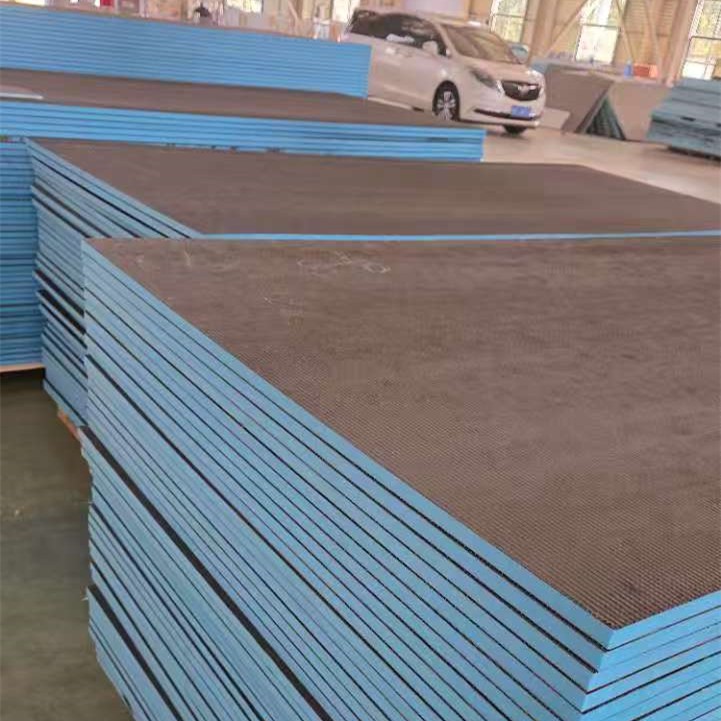
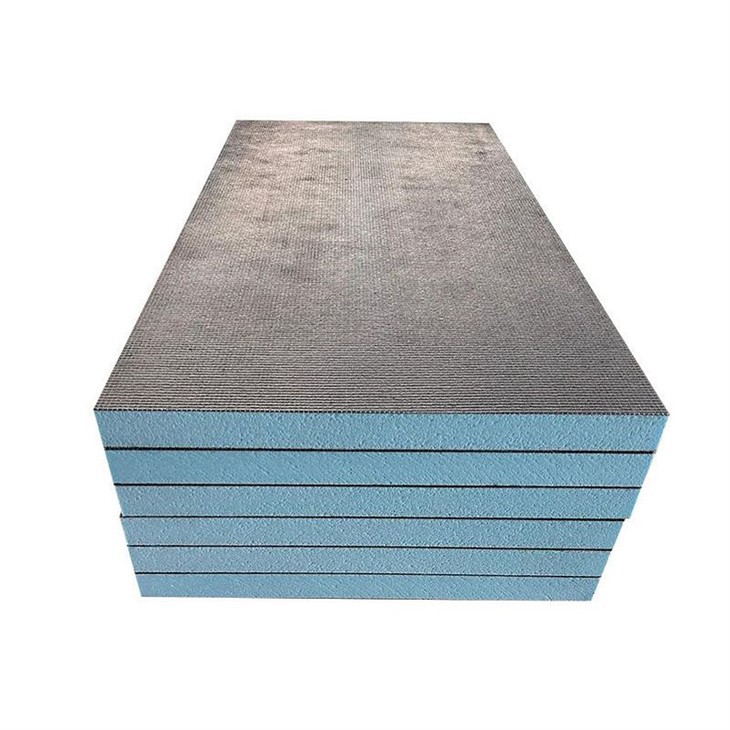
Moisture Resistance
Garages are often exposed to moisture, whether from rain, snow, or humidity. Moisture can cause damage to the walls and floors, leading to mold and mildew growth. Thermal backer boards are typically made from materials that are resistant to moisture, such as cement or fiberglass. This makes them an ideal choice for garages, as they can prevent moisture from penetrating the walls and causing damage. Additionally, the moisture resistance of these boards can help to extend their lifespan, ensuring that they remain in good condition for years to come.
Durability
Garages are high-traffic areas that are subject to wear and tear. Thermal backer boards are designed to be durable and can withstand the rigors of daily use. They are resistant to scratches, dents, and impact, making them a great choice for garages where heavy equipment or vehicles may be stored. Additionally, the durability of these boards can help to protect the walls and floors from damage, reducing the need for costly repairs.
Types of Thermal Backer Boards
Eco-friendly Backing Board
Eco-friendly backing boards are made from sustainable materials and are designed to have a minimal impact on the environment. These boards are often made from recycled materials, such as paper or plastic, and are free from harmful chemicals. They are a great choice for garages, as they not only provide thermal insulation but also help to reduce the carbon footprint of the building.
Thermal Tile Backer Board
Thermal tile backer boards are specifically designed for use with tiles. They provide a stable and level surface for tile installation, while also offering thermal insulation. These boards are typically made from cement or fiberglass and are available in a variety of sizes and thicknesses. They are a great choice for garages where tiles are being installed on the walls or floors.
Wall Backing Board
Wall backing boards are designed to be installed on the walls of a garage. They provide a smooth and even surface for painting or wallpapering, while also offering thermal insulation. These boards are typically made from gypsum or cement and are available in a variety of sizes and thicknesses. They are a great choice for garages where the walls need to be finished or renovated.
How to Install Thermal Backer Boards in a Garage
Preparation
Before installing thermal backer boards in a garage, it is important to prepare the surface. This involves cleaning the walls and floors to remove any dirt, dust, or debris. Additionally, any existing wall or floor coverings should be removed, and the surface should be leveled and smoothed.
Measurement
Once the surface is prepared, the next step is to measure the area where the thermal backer boards will be installed. This involves measuring the length and width of the walls and floors, as well as the height of the ceiling. It is important to measure accurately to ensure that the boards fit properly.
Cutting
After measuring the area, the thermal backer boards need to be cut to size. This can be done using a saw or a utility knife. It is important to cut the boards carefully to ensure that they fit snugly against the walls and floors.
Installation
Once the boards are cut to size, they can be installed on the walls and floors. This involves using adhesive or screws to attach the boards to the surface. It is important to follow the manufacturer's instructions carefully to ensure that the boards are installed correctly.
Finishing
After the boards are installed, the next step is to finish the surface. This involves painting or wallpapering the walls, or installing tiles on the floors. It is important to choose a finish that is suitable for the garage environment and that will provide a long-lasting and attractive appearance.
Conclusion
In conclusion, thermal backer boards are a great choice for garages. They offer a number of benefits, including temperature regulation, moisture resistance, and durability. Additionally, there are a variety of types of thermal backer boards available, each with its own unique features and benefits. If you are considering a garage renovation or construction project, I encourage you to consider using thermal backer boards. They can help to make your garage more comfortable, energy-efficient, and durable.
If you are interested in purchasing thermal backer boards for your garage, please feel free to contact us to discuss your specific needs and requirements. We are a leading supplier of thermal backer boards and can provide you with high-quality products at competitive prices.
References
- "Building Science Principles for Garages." Building Science Corporation.
- "Thermal Insulation for Buildings." International Energy Agency.
- "Moisture Control in Buildings." American Society of Heating, Refrigerating and Air-Conditioning Engineers.