

In the construction industry, the issue of sustainability and recyclability has become a focal point. As a supplier of Inorganic Fireproof Boards, I often receive inquiries about whether these boards can be recycled. This blog post aims to explore this question in depth, providing a comprehensive understanding of the recyclability of Inorganic Fireproof Boards.
Understanding Inorganic Fireproof Boards
Inorganic Fireproof Boards are widely used in construction due to their excellent fire - resistant properties. They are made from inorganic materials such as cement, glass fibers, and other mineral components. These materials give the boards high fire - resistance ratings, making them suitable for use in areas where fire safety is a major concern, such as commercial buildings, industrial facilities, and residential homes.
The manufacturing process of Inorganic Fireproof Boards involves mixing the inorganic materials with water and other additives, then forming the mixture into boards through a series of processes such as pressing and curing. The resulting boards are strong, durable, and have a long service life.
Can Inorganic Fireproof Boards be Recycled?
The recyclability of Inorganic Fireproof Boards depends on several factors. Firstly, the composition of the boards plays a crucial role. Since these boards are mainly made of inorganic materials, in theory, they have the potential to be recycled.
One of the main components of Inorganic Fireproof Boards is cement. Cement can be recycled and reused in the production of new building materials. When the boards reach the end of their service life, they can be crushed and ground into a powder. This powder can then be used as a partial replacement for cement in the manufacturing of new concrete or other cement - based products.
Glass fibers, another important component of Inorganic Fireproof Boards, can also be recycled. Recycling glass fibers can reduce the demand for new raw materials and lower the environmental impact. The recycled glass fibers can be used in the production of new composites or other fiber - reinforced materials.
However, there are some challenges in recycling Inorganic Fireproof Boards. The boards may be contaminated with other materials during their use, such as paint, adhesives, or other chemicals. These contaminants need to be removed before the recycling process can begin. Additionally, the recycling process requires specialized equipment and facilities, which may not be readily available in all regions.
Recycling Process of Inorganic Fireproof Boards
If the Inorganic Fireproof Boards are to be recycled, the first step is to collect and sort them. This involves separating the boards from other waste materials and ensuring that they are clean and free from contaminants as much as possible.
Once the boards are collected and sorted, they are crushed into small pieces. The crushing process can be carried out using a variety of equipment, such as crushers and grinders. After crushing, the pieces are further processed to separate the different components, such as cement, glass fibers, and other minerals.
The separated components can then be reused in the production of new building materials. For example, the recycled cement can be used in the production of new concrete, while the recycled glass fibers can be used in the manufacturing of new composites.
Benefits of Recycling Inorganic Fireproof Boards
Recycling Inorganic Fireproof Boards offers several benefits. Firstly, it helps to conserve natural resources. By reusing the materials from the boards, we can reduce the need for extracting and processing new raw materials. This not only saves energy but also reduces the environmental impact associated with mining and manufacturing.
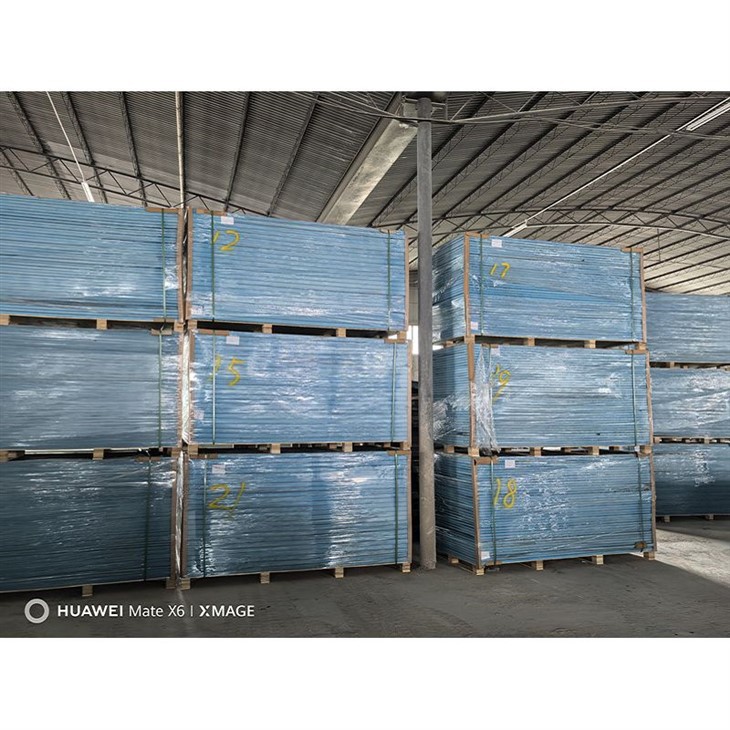
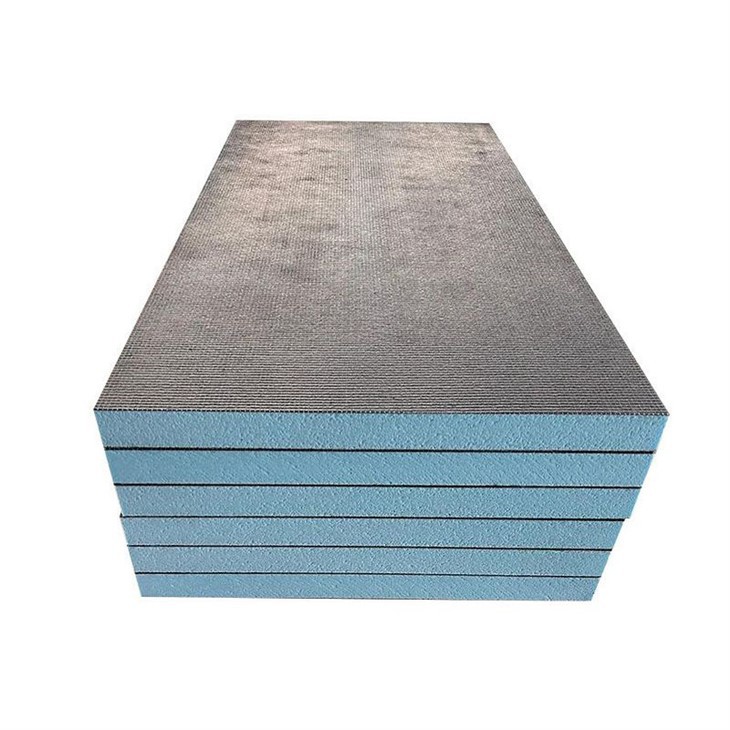
Secondly, recycling Inorganic Fireproof Boards can reduce waste. Instead of sending the boards to landfills, where they can take up valuable space and potentially release harmful substances, recycling allows these materials to be reused in a productive way.
Finally, recycling can also contribute to cost savings. Using recycled materials in the production of new building materials can be more cost - effective than using new raw materials. This can lead to lower production costs and potentially lower prices for consumers.
Other Functional Backer Boards in Our Product Line
In addition to Inorganic Fireproof Boards, our company also offers a range of other functional backer boards. For example, the Shower Foam Backer Board is designed for use in shower areas. It provides excellent moisture resistance and is easy to install.
The Soundproof Backing Board is another popular product. It helps to reduce noise transmission, making it ideal for use in residential and commercial buildings where sound insulation is important.
We also offer Glass Fiber Reinforced Concrete Wall Panels. These panels are strong, durable, and have excellent fire - resistant properties. They are suitable for a variety of applications, including exterior wall cladding and interior partitions.
Conclusion
In conclusion, Inorganic Fireproof Boards can be recycled, but there are some challenges that need to be overcome. The composition of the boards makes them potentially recyclable, and the recycling process can offer significant benefits in terms of resource conservation, waste reduction, and cost savings.
As a supplier of Inorganic Fireproof Boards and other functional backer boards, we are committed to promoting sustainable practices in the construction industry. We encourage our customers to consider the recyclability of our products and to support the recycling efforts.
If you are interested in our Inorganic Fireproof Boards or other functional backer boards, we welcome you to contact us for further information and to discuss your procurement needs. We look forward to working with you to create sustainable and fire - safe construction solutions.
References
- Building Materials Recycling Handbook
- Journal of Sustainable Construction Materials and Technologies