

As a supplier of Rigid Backing Boards, I often receive inquiries about the safety precautions associated with their use. Rigid backing boards are versatile materials used in a variety of construction and renovation projects, from tiling to wall cladding. Ensuring their safe use is crucial for both the installers and the long - term integrity of the project.
1. Personal Protective Equipment (PPE)
When handling and installing rigid backing boards, it is essential to wear appropriate personal protective equipment. First and foremost, safety goggles should be worn at all times. Cutting, sanding, or handling the boards can generate dust and small debris that can cause eye injuries. Even the slightest particle in the eye can lead to irritation, infection, or more severe damage.
Gloves are also a must. Rigid backing boards can have sharp edges, and handling them without gloves can result in cuts and abrasions. Additionally, some boards may contain substances that can be harmful to the skin, such as certain chemicals or fibers. Wearing gloves provides a barrier against these potential hazards.
A dust mask is another important piece of PPE. Cutting and sanding rigid backing boards produce dust, which can be inhaled. Inhaling dust over an extended period can lead to respiratory problems, including lung diseases. A high - quality dust mask can filter out the harmful particles and protect the lungs.
2. Handling and Storage
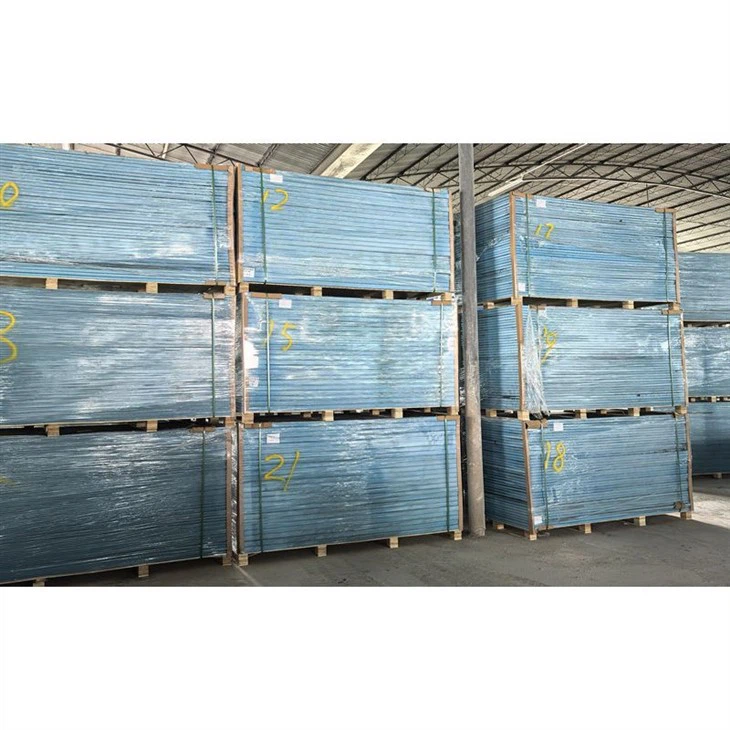
Proper handling of rigid backing boards is crucial to prevent breakage and injury. These boards can be heavy and cumbersome, especially larger sizes. When lifting, it is important to use proper lifting techniques. Bend at the knees, keep the back straight, and lift with the legs rather than the back. This helps to avoid back injuries, which are common in construction work.
During storage, the boards should be kept in a dry and well - ventilated area. Moisture can cause the boards to warp or deteriorate, reducing their effectiveness. Stacking the boards properly is also important. They should be stacked on a flat and stable surface, and the stack should not be too high to prevent it from toppling over.
3. Cutting and Installation
When cutting rigid backing boards, use the appropriate tools. A circular saw with a fine - tooth blade is often recommended for straight cuts. However, it is important to ensure that the saw is in good working condition and that the blade is sharp. A dull blade can cause the board to splinter, increasing the risk of injury.
Before making any cuts, mark the board accurately. This helps to ensure that the cuts are straight and that the board fits properly in the intended location. When using power tools, always follow the manufacturer's instructions. Keep your hands and fingers away from the blade at all times, and use a push stick to guide the board through the saw if necessary.
During installation, make sure that the surface where the board will be installed is clean, dry, and level. Uneven surfaces can cause the board to crack or warp over time. Use the appropriate fasteners, such as screws or nails, and ensure that they are driven in straight and at the correct depth. Over - tightening the fasteners can damage the board, while under - tightening can result in a loose installation.
4. Chemical and Environmental Considerations
Some rigid backing boards may contain chemicals that can be harmful if not handled properly. For example, some boards may have a fire - retardant coating. When cutting or sanding these boards, it is important to take extra precautions to avoid inhaling the dust, as it may contain chemicals.
In addition, consider the environmental impact of the boards. Look for boards that are made from sustainable materials and have a low environmental footprint. This not only benefits the environment but also shows a commitment to responsible construction practices.
5. Compatibility with Other Materials
When using rigid backing boards, it is important to ensure that they are compatible with other materials in the project. For example, if you are tiling over a rigid backing board, make sure that the tile adhesive is suitable for use with the board. Incompatible materials can lead to adhesion problems, which can cause the tiles to come loose over time.
Our Product Range
We offer a wide range of rigid backing boards to meet different project needs. Our High Performance Concrete Panels are known for their durability and strength. They are suitable for high - traffic areas and can withstand heavy loads.
Our Fireproof Backing Board provides an extra layer of safety in case of a fire. It is designed to resist the spread of flames and can help to protect the structure of the building.
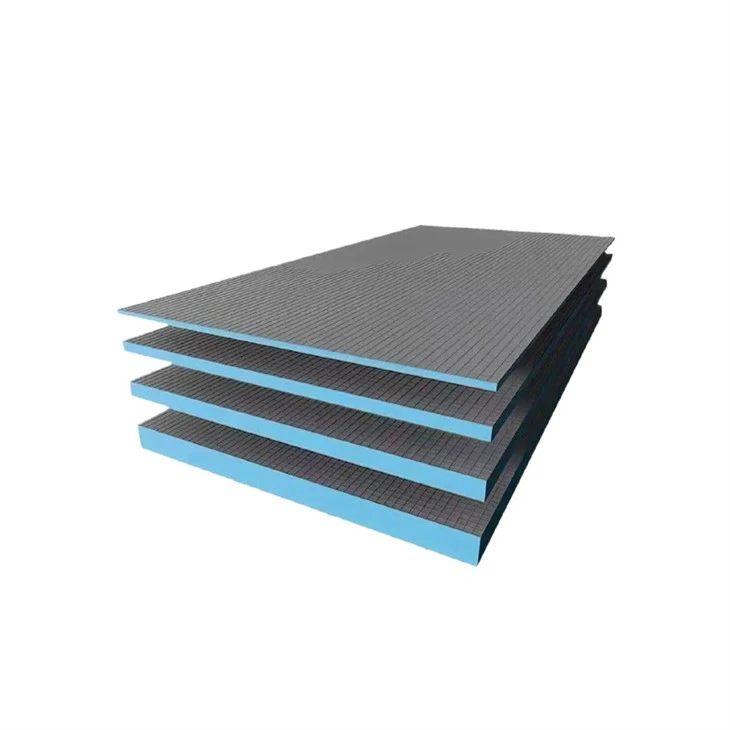
For projects where waterproofing is a concern, our Waterproof Foam Tile Backer Board is an excellent choice. It is lightweight and easy to install, and it provides a reliable waterproof barrier.
Conclusion
Using rigid backing boards safely is of utmost importance. By following the safety precautions outlined above, you can ensure a successful and safe installation. Whether you are a professional contractor or a DIY enthusiast, taking the necessary steps to protect yourself and the project is essential.
If you are interested in purchasing our rigid backing boards or have any questions about their safety and use, we encourage you to contact us for a procurement discussion. Our team of experts is ready to assist you in finding the right products for your project.
References
- Construction Safety Manuals from industry standard organizations
- Manufacturer's guidelines for rigid backing boards
- Research papers on construction material safety and handling