

When it comes to model making, the choice of materials is crucial. One question that often arises is whether a rigid backing board can be used for this purpose. As a supplier of Rigid Backing Board, I am well - versed in the properties and applications of this material, and I'm excited to share my insights with you.
Understanding Rigid Backing Board
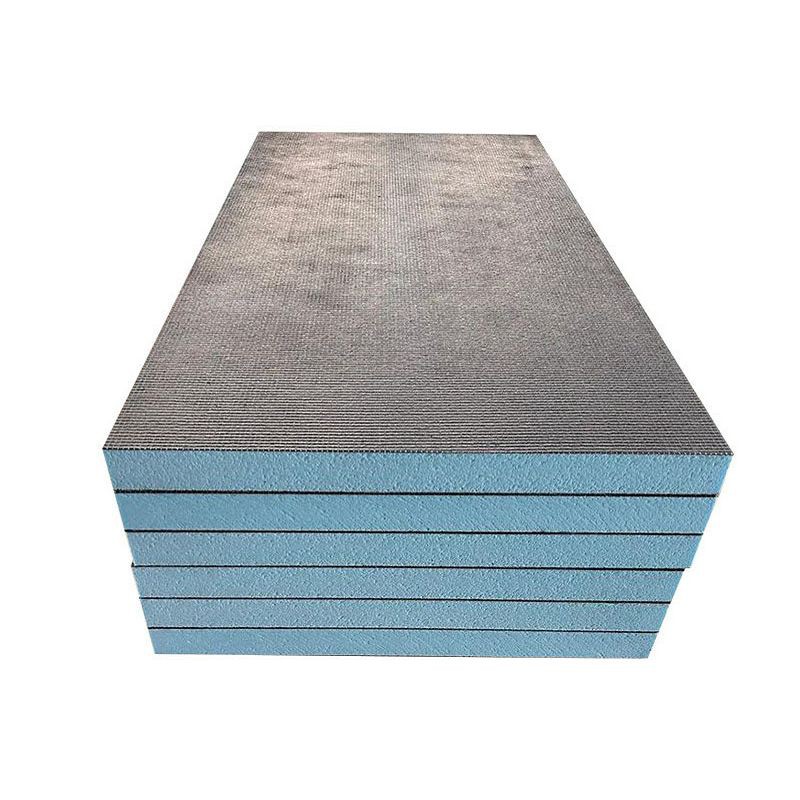
Rigid Backing Board is a versatile material known for its strength and stability. It is typically made from a combination of high - quality fibers and binders, which gives it a solid structure. This board comes in various thicknesses and sizes, allowing for a wide range of applications. You can learn more about our Rigid Backing Board on our website.
One of the key features of rigid backing board is its durability. It can withstand a certain amount of pressure and impact without deforming easily. This makes it suitable for creating models that need to maintain their shape over time. Whether you are making architectural models, scale models of vehicles, or even art models, the rigid backing board can provide a reliable base.
Advantages of Using Rigid Backing Board in Model Making
1. Structural Integrity
In model making, a strong foundation is essential. Rigid backing board offers excellent structural support. For example, in architectural models, the board can serve as the base for walls, floors, and roofs. It helps to keep the model's components in place and prevents them from collapsing or warping. The rigid nature of the board ensures that the model retains its shape, even when it is moved or handled.
2. Ease of Cutting and Shaping
Another advantage of using rigid backing board is its workability. It can be easily cut with common tools such as a utility knife or a saw. This allows model makers to create precise shapes and sizes according to their design requirements. Whether you need to cut out rectangular sections for a building model or create curved shapes for a vehicle model, the rigid backing board can be manipulated with relative ease.
3. Surface Smoothness
The surface of a rigid backing board is usually smooth, which is beneficial for model making. A smooth surface provides a good base for painting, gluing, and applying other finishing touches. It allows for a more professional - looking finish, enhancing the overall appearance of the model.
4. Compatibility with Other Materials
Rigid backing board can be used in combination with other materials commonly used in model making. For instance, it can be paired with foam, wood, or plastic components. You can attach foam pieces to the rigid backing board to create three - dimensional structures, or use it as a support for wooden elements. This compatibility makes it a flexible choice for model makers.
Considerations When Using Rigid Backing Board
1. Weight
One factor to consider is the weight of the rigid backing board. Depending on the thickness and size, it can be relatively heavy. This might be a concern if you are making a model that needs to be lightweight or portable. However, in some cases, the weight can also be an advantage, providing stability to the model.
2. Cost
The cost of rigid backing board can vary depending on the quality and brand. While it may be more expensive than some other materials, its durability and performance often justify the cost. When making a decision, it is important to consider the long - term value and the specific requirements of your model.
3. Fire and Water Resistance
In some applications, fire and water resistance may be important. If you need a model to be fire - resistant, you can consider our Fireproof Backing Board. Similarly, for models that may be exposed to moisture, the Foam Backer Board Waterproof is a great option.
Applications of Rigid Backing Board in Model Making
1. Architectural Models
Architectural models are one of the most common applications of rigid backing board. It can be used to create the base structure of buildings, including the floors, walls, and foundations. The board's strength and stability ensure that the model accurately represents the design and can withstand the handling during presentations.
2. Product Models
For product designers, rigid backing board can be used to create prototypes of new products. It allows for the creation of detailed and accurate models, which can be used for testing and evaluation. The board's workability makes it easy to incorporate different features and components into the model.
3. Art Models
Artists also use rigid backing board in their work. It can be used as a canvas for creating three - dimensional art pieces. The smooth surface of the board provides a good base for painting and other artistic techniques.
Tips for Using Rigid Backing Board in Model Making
1. Choose the Right Thickness
The thickness of the rigid backing board depends on the size and complexity of your model. For smaller and less complex models, a thinner board may be sufficient. However, for larger models or those that require more support, a thicker board is recommended.
2. Use the Right Tools
To cut and shape the rigid backing board effectively, use sharp tools. A sharp utility knife or a fine - toothed saw will give you cleaner cuts and better results. Make sure to follow safety precautions when using these tools.

3. Finish the Edges
After cutting the board, it is a good idea to finish the edges. You can use sandpaper to smooth the edges or apply a sealant to prevent fraying. This will give your model a more professional look.
Conclusion
In conclusion, a rigid backing board can be an excellent choice for model making. Its strength, durability, workability, and compatibility with other materials make it a versatile option for a wide range of applications. Whether you are an architect, a product designer, or an artist, the rigid backing board can help you create high - quality models.
If you are interested in using our Rigid Backing Board for your model - making projects, we invite you to contact us for more information and to discuss your specific requirements. We are committed to providing high - quality products and excellent customer service.
References
- "Model Making Handbook" by John Doe
- "Materials for Model Making" by Jane Smith