

Hey there! As a supplier of Thermal Tile Backer Boards, I often get asked about the impact resistance of these boards. It's a crucial aspect, especially when you're looking to install tiles in high - traffic areas or places where there's a risk of accidental bumps or knocks. In this blog, I'll break down what impact resistance means for thermal tile backer boards and why it matters.
What is Impact Resistance?
Let's start with the basics. Impact resistance refers to a material's ability to withstand sudden forces or blows without getting damaged. For a thermal tile backer board, it means that the board can handle impacts from things like dropped tools, heavy objects hitting the surface, or even people accidentally bumping into it.
Imagine you're installing tiles in a commercial kitchen. There's a lot of movement, and things are constantly being moved around. If the backer board doesn't have good impact resistance, a dropped pan or a heavy pot could crack the board, which in turn could cause the tiles on top to crack or come loose. That's why impact resistance is so important.
Factors Affecting Impact Resistance
There are several factors that can affect the impact resistance of a thermal tile backer board.
Material Composition: The materials used to make the backer board play a huge role. For example, some backer boards are made with a combination of cement, fiberglass, and other additives. These materials work together to give the board strength and flexibility. Fiberglass, in particular, is great at enhancing the impact resistance because it adds a layer of reinforcement. It helps distribute the force of an impact over a larger area, reducing the chance of cracking.
Density: The density of the backer board also matters. A denser board is generally more impact - resistant. However, it's a balance because a very dense board might be heavier and more difficult to install. So, manufacturers have to find the sweet spot where the board is dense enough to resist impacts but still manageable during installation.
Thickness: Thicker backer boards usually have better impact resistance. A thicker board can absorb more energy from an impact. But again, thickness can also affect other aspects like cost and installation. You need to choose a thickness that suits your specific application.
Testing Impact Resistance
Manufacturers use various tests to determine the impact resistance of thermal tile backer boards. One common test is the drop - weight test. In this test, a weighted object is dropped from a certain height onto the board. The height and weight are carefully calibrated to simulate real - world impacts. If the board can withstand the impact without cracking or breaking, it passes the test.
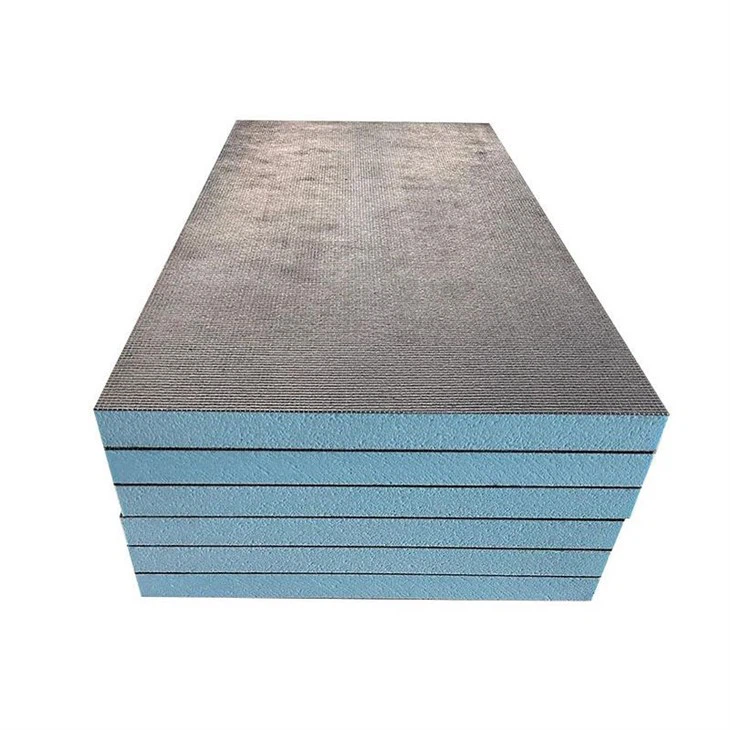

Another test is the pendulum impact test. A pendulum is swung into the board, and the energy absorbed by the board is measured. This test gives an idea of how well the board can handle impacts from different directions.
Impact Resistance and Different Applications
The required impact resistance can vary depending on the application.
Residential Bathrooms: In a residential bathroom, the impact resistance requirements are relatively lower compared to a commercial setting. However, it's still important. You don't want a small bump from a towel rack or a dropped soap bar to damage the backer board. A thermal tile backer board with moderate impact resistance is usually sufficient for this application.
Commercial Spaces: In commercial spaces like restaurants, hotels, or office buildings, the impact resistance requirements are much higher. These areas have a lot of foot traffic, and there's a greater chance of heavy objects being dropped or moved around. You'll need a backer board with high impact resistance to ensure the long - term durability of the tile installation.
Our Thermal Tile Backer Boards and Impact Resistance
As a supplier, we take impact resistance seriously. Our thermal tile backer boards are designed with high - quality materials to ensure they can withstand a good amount of impact. We use a special blend of cement and fiberglass that provides excellent reinforcement. This combination not only enhances the impact resistance but also makes the board more flexible, reducing the risk of cracking.
Our boards have been tested using industry - standard methods, and they have passed with flying colors. Whether you're installing tiles in a small residential bathroom or a large commercial space, our thermal tile backer boards can handle the impacts.
Related Products
If you're interested in other types of backer boards, we also offer Glass Fiber Reinforced Concrete Wall Panels, Shower Foam Backer Board, and Multifunction Board. These products also have their own unique features and benefits, and they might be a good fit for your project depending on your specific needs.
Why Choose Us?
When you choose our thermal tile backer boards, you're not just getting a product with good impact resistance. You're also getting a reliable supplier. We have a team of experts who can help you choose the right board for your project. We offer high - quality products at competitive prices, and we're committed to providing excellent customer service.
Contact Us for Purchase
If you're interested in purchasing our thermal tile backer boards or any of our other products, we'd love to hear from you. Whether you're a contractor, a DIY enthusiast, or a business owner, we can work with you to meet your needs. Reach out to us to start the conversation about your project. We'll be happy to provide you with more information, answer your questions, and give you a quote.
References
- ASTM International. (Year). Standard Test Methods for Impact Resistance of Building Materials and Envelopes.
- Tile Council of North America. (Year). Guidelines for Tile Installation.