

Can a rigid backing board be used in kitchens?
When it comes to kitchen design and renovation, choosing the right materials is crucial. One material that often comes into consideration is the rigid backing board. As a supplier of rigid backing boards, I am frequently asked whether these boards can be used in kitchens. In this blog post, I will explore the suitability of rigid backing boards for kitchen applications, discussing their advantages, potential drawbacks, and factors to consider.
Advantages of Using Rigid Backing Boards in Kitchens
-
Durability
Rigid backing boards are known for their strength and durability. They can withstand the daily wear and tear that a kitchen environment typically experiences. Whether it's the impact of pots and pans, or the constant cleaning and scrubbing, a good quality rigid backing board can maintain its integrity over time. For example, our High Performance Concrete Panels are engineered to be extremely robust, providing a long - lasting solution for kitchen installations. -
Moisture Resistance
Kitchens are areas where moisture is a common issue, whether from cooking steam, dishwashing, or accidental spills. Many rigid backing boards are designed to be moisture - resistant. Our Foam Backer Board Waterproof and Foam Waterproof Backer Board are excellent choices in this regard. They can prevent water from seeping into the wall structure, which helps to avoid problems such as mold and mildew growth, and structural damage. -
Ease of Installation
Rigid backing boards are relatively easy to install. They come in standard sizes and can be cut to fit the specific dimensions of your kitchen. This makes the installation process quicker and more efficient, reducing labor costs and minimizing disruption to your daily life during a kitchen renovation. -
Smooth Surface for Finishing
These boards provide a smooth and even surface, which is ideal for applying finishes such as tile, paint, or wallpaper. The smooth surface ensures that the finish adheres well and looks professional. Whether you are going for a modern, minimalist look or a more traditional style, a rigid backing board can serve as an excellent base for your chosen finish.
Potential Drawbacks
-
Cost
Compared to some other materials, rigid backing boards can be relatively expensive. However, it's important to consider the long - term benefits. The durability and moisture resistance of these boards can save you money in the long run by reducing the need for repairs and replacements. -
Weight
Some rigid backing boards can be quite heavy, especially concrete - based ones. This can make handling and installation more challenging, and it may also require additional support in the wall structure. However, foam - based backing boards are much lighter, offering a more manageable alternative.
Factors to Consider
-
Kitchen Layout and Usage
The layout and usage of your kitchen play a significant role in determining whether a rigid backing board is suitable. If your kitchen has a lot of high - traffic areas or if you do a lot of cooking that generates a lot of steam, a moisture - resistant rigid backing board is a must. On the other hand, if your kitchen is used less frequently or has a more open layout with good ventilation, the requirements may be less strict. -
Budget
As mentioned earlier, cost is an important factor. You need to balance the upfront cost of the rigid backing board with its long - term benefits. If you have a limited budget, you may need to explore different options or look for more cost - effective materials.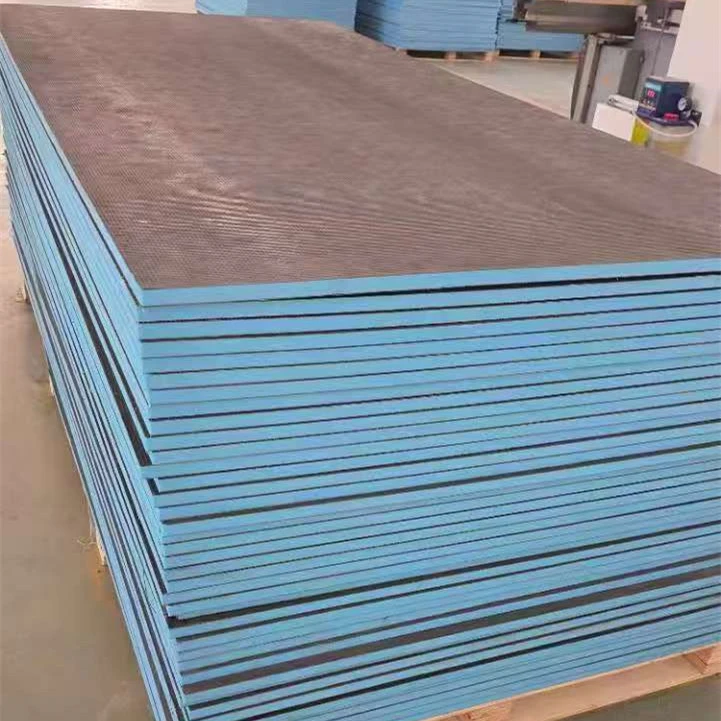

-
Aesthetic Preferences
The finish of the rigid backing board and how it will look in your kitchen is also important. Consider the overall style of your kitchen and choose a board that complements it. For example, if you have a contemporary kitchen, a smooth, white backing board may be a good choice, while a more rustic kitchen may benefit from a board with a textured finish.
Conclusion
In conclusion, rigid backing boards can be an excellent choice for kitchens. Their durability, moisture resistance, ease of installation, and smooth surface for finishing make them a practical option for many kitchen designs. However, it's important to consider the potential drawbacks, such as cost and weight, as well as your specific kitchen layout, budget, and aesthetic preferences.
If you are considering using a rigid backing board in your kitchen, I encourage you to contact us to discuss your needs. We have a wide range of high - quality rigid backing boards that can meet your requirements. Whether you need a moisture - resistant foam board or a high - performance concrete panel, we can provide you with the right solution.
Don't hesitate to reach out to us to start a conversation about your kitchen renovation project. We look forward to helping you create the perfect kitchen with our top - notch rigid backing boards.
References
- Building Materials Handbook: A comprehensive guide on various building materials, including rigid backing boards.
- Kitchen Design Magazine: Articles on the latest trends and best practices in kitchen design, with insights on material selection.