

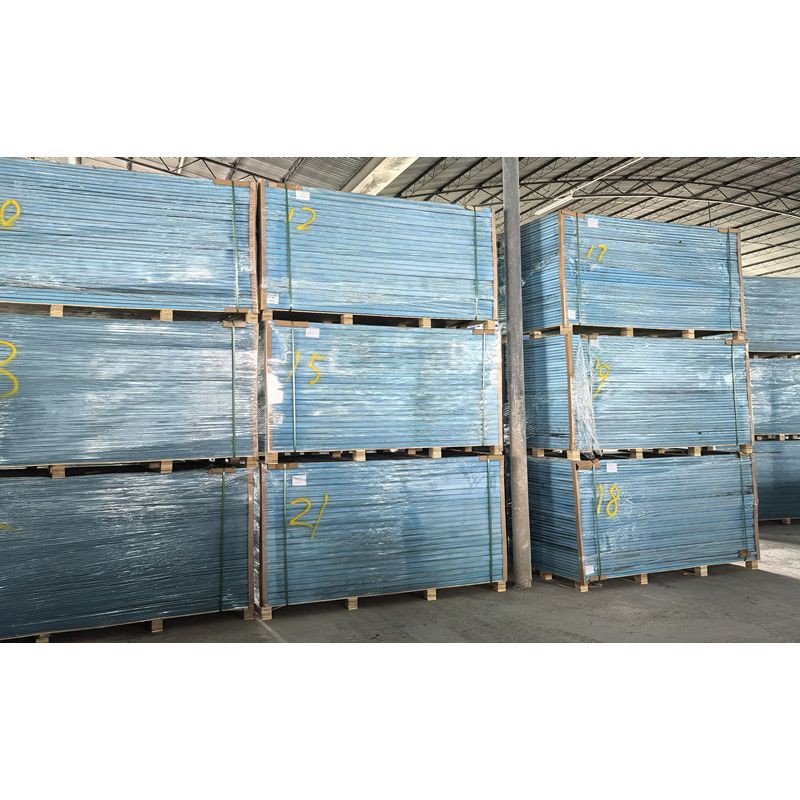
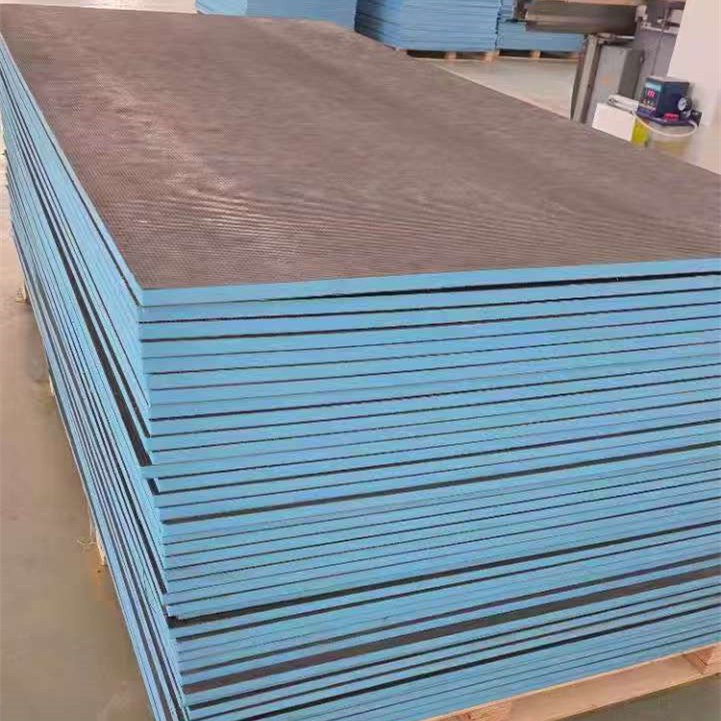
Hey there! As a supplier of Thermal Tile Backer Boards, I often get asked about the difference between a thermal tile backer board and an insulation board. It's a great question, and in this blog post, I'll break it down for you in a way that's easy to understand.
Let's start with the basics. A thermal tile backer board is primarily designed to provide a stable and heat - resistant surface for tiling. It's like a foundation for your tiles, ensuring they stay in place and look great for years to come. On the other hand, an insulation board is focused on reducing heat transfer. Its main job is to keep your space warm in the winter and cool in the summer.
Composition and Material
Thermal tile backer boards are usually made from materials like cement, fiberglass, or a combination of both. These materials are strong and can withstand the weight of tiles and the moisture that often comes with tiled areas, such as bathrooms and kitchens. For example, cement - based backer boards are very durable and can resist water damage. They're also fire - resistant, which is a big plus for safety.
Insulation boards, however, are made from different materials. Common ones include expanded polystyrene (EPS), extruded polystyrene (XPS), and mineral wool. EPS and XPS are lightweight and have excellent insulating properties. Mineral wool is great at absorbing sound as well as providing insulation.
Functionality
The key function of a thermal tile backer board is to support the tiles. It has a smooth surface that allows tiles to be easily adhered. It also helps to prevent cracking and movement of the tiles over time. Since it's heat - resistant, it can handle the normal temperature fluctuations in a tiled area without getting damaged.
Insulation boards, as mentioned earlier, are all about heat management. They work by trapping air in their structure, which slows down the transfer of heat. This means that in a building, less heat will escape in the winter, and less heat will enter in the summer. This can lead to significant energy savings on heating and cooling bills.
Installation
Installing a thermal tile backer board is a bit different from installing an insulation board. When you're putting in a thermal tile backer board, you need to make sure it's properly secured to the wall or floor. You'll usually use screws or nails to attach it, and then you'll need to tape the joints to create a smooth surface for tiling.
Insulation boards are often installed between studs in walls or in the attic. They can be cut to fit the space and are usually held in place with adhesive or special fasteners. Sometimes, they're covered with a vapor barrier to prevent moisture from getting in.
Applications
Thermal tile backer boards are mainly used in areas where tiles are installed. This includes bathrooms, kitchens, and even some outdoor areas like patios. They provide a reliable surface for ceramic, porcelain, or natural stone tiles. You can check out our Ceramic Backer Board for more details on this type of application.
Insulation boards are used throughout a building. They're in the walls, floors, and ceilings to improve the energy efficiency of the whole structure. They're also used in industrial settings to insulate pipes and equipment.
Soundproofing
While thermal tile backer boards are not specifically designed for soundproofing, some of them can offer a certain level of sound reduction. For a more dedicated soundproofing solution, you might want to look at our Soundproof Backing Board. Insulation boards, especially those made from mineral wool, are known for their sound - absorbing properties. They can help to reduce noise from outside or between different rooms in a building.
Thermal Performance
The thermal performance of a thermal tile backer board is more about maintaining a stable temperature in the tiled area. It doesn't have the same high - level insulating capabilities as an insulation board. Our Thermal Backer Board is designed to provide a good balance between heat resistance and support for tiles.
Insulation boards, on the other hand, are rated based on their R - value, which measures their resistance to heat flow. The higher the R - value, the better the insulation. This makes them ideal for keeping a building's interior temperature comfortable.
Cost
In general, thermal tile backer boards are more affordable than high - quality insulation boards. The cost of a thermal tile backer board depends on the material and size. Cement - based boards are usually less expensive than some of the high - tech insulation materials. Insulation boards can be more costly, especially those with high R - values and advanced features.
Maintenance
Thermal tile backer boards are relatively low - maintenance. As long as the tiles are in good condition and there are no signs of water damage, they'll last for a long time. If a tile gets damaged, you can usually replace it without having to replace the entire backer board.
Insulation boards also require little maintenance. However, if they get wet, they can lose their insulating properties. So, it's important to make sure they're properly installed and protected from moisture.
Conclusion
So, to sum it up, the main difference between a thermal tile backer board and an insulation board lies in their functions, materials, and applications. A thermal tile backer board is for supporting tiles and withstanding heat in tiled areas, while an insulation board is for reducing heat transfer and improving energy efficiency.
If you're in the market for a thermal tile backer board or have any questions about the differences between these two types of boards, don't hesitate to reach out. We're here to help you make the right choice for your project. Whether you're working on a small bathroom renovation or a large - scale construction project, we've got the products and expertise to meet your needs.
References
- Building Construction Handbook
- Insulation and Building Science Resources