

As a supplier of Inorganic Fireproof Board, I've had the privilege of delving deep into the intricacies of fire - proof grades across different countries. This knowledge is not only crucial for our business but also for ensuring the safety of our clients in various regions.
Understanding Inorganic Fireproof Board
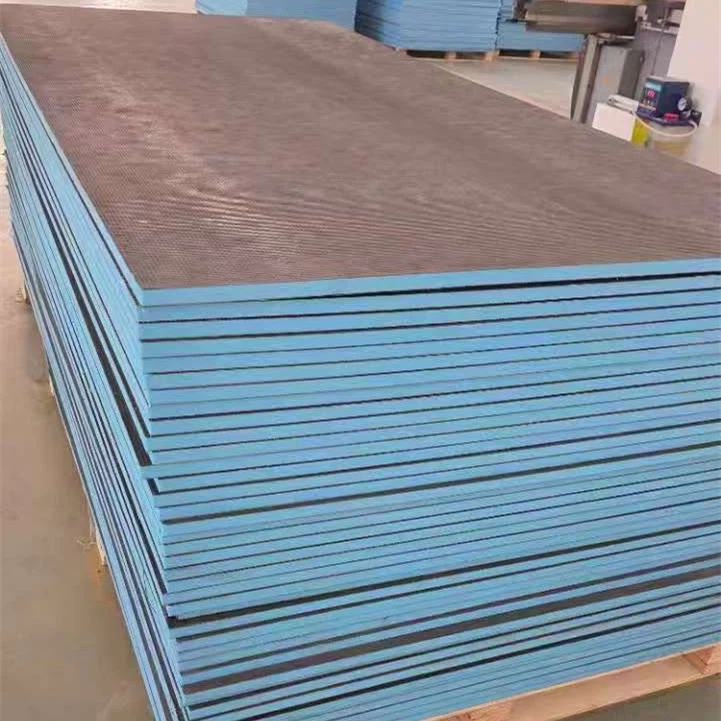
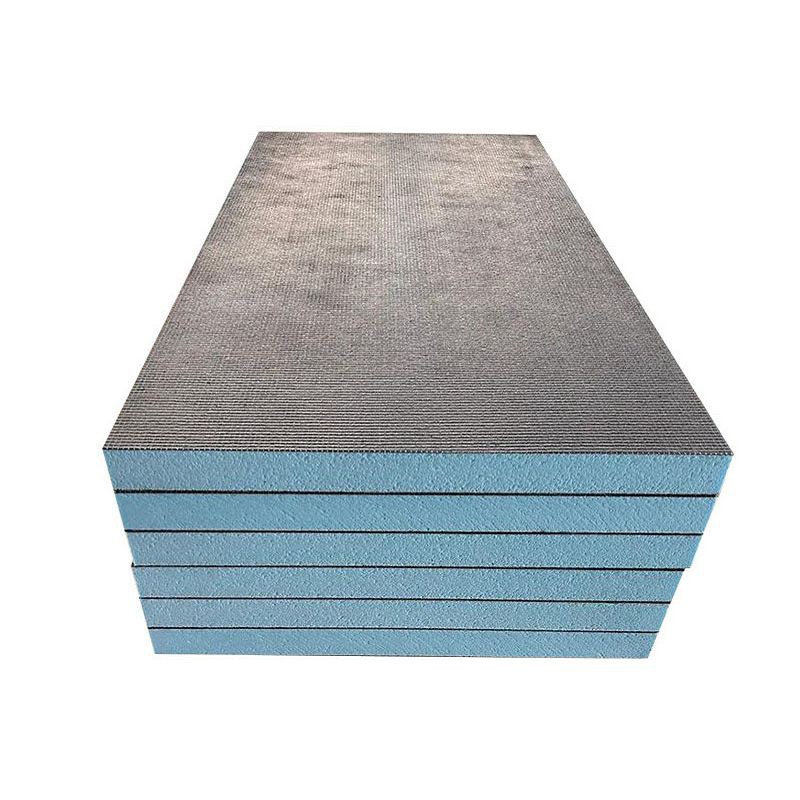
Inorganic Fireproof Board is a type of building material made from inorganic substances. It is known for its excellent fire - resistant properties, which make it a popular choice in construction projects where fire safety is a top priority. The board is composed of materials such as cement, glass fiber, and other inorganic fillers, which give it high heat resistance and stability.
Fire - Proof Grades in Different Countries
United States
In the United States, the fire - proof grade of building materials is often determined by tests such as the ASTM E119 test. This test measures the time a material can withstand fire exposure while maintaining its structural integrity and preventing the spread of fire. For Inorganic Fireproof Board, it typically meets high - level fire - resistance requirements. The boards are often classified into different fire - rating categories, such as 1 - hour, 2 - hour, and 3 - hour ratings. A 1 - hour rated Inorganic Fireproof Board can withstand fire for one hour without significant damage or fire spread. These ratings are crucial for building codes, especially in commercial and high - rise buildings. For example, in a large office building, walls and partitions made of Inorganic Fireproof Board with a 2 - hour rating can provide an extra layer of protection in case of a fire. If you're interested in a high - quality fire - proof solution similar to our Inorganic Fireproof Board, you can check out our Thermal Tile Backer Board.
European Union
In the European Union, the fire - classification system is based on the EN 13501 - 1 standard. This standard classifies building materials into different fire - reaction classes, ranging from A1 (non - combustible) to F (highly combustible). Inorganic Fireproof Board usually falls into the A1 or A2 class, which means it is non - combustible or has very limited combustibility. For instance, in a hospital in the EU, using Inorganic Fireproof Board with an A1 rating can ensure the safety of patients and medical staff in case of a fire. This high - level fire - proof grade is also required in many public buildings, such as schools and shopping malls. If you're looking for a reliable wall - backing solution with excellent fire - proof properties, our Wall Backing Board is a great option.
China
In China, the fire - proof grade of building materials is regulated by the GB 8624 standard. This standard classifies materials into four main grades: A (non - combustible), B1 (difficult to combust), B2 (combustible), and B3 (highly combustible). Inorganic Fireproof Board generally meets the A grade, which means it is non - combustible. In large - scale infrastructure projects in China, such as subway stations and airports, Inorganic Fireproof Board is widely used due to its high - level fire - proof performance. Our Ceramic Backer Board also follows strict fire - proof standards and can be a great choice for projects in China.
Japan
Japan has its own set of fire - safety regulations for building materials. The fire - proof grade of Inorganic Fireproof Board in Japan is determined by tests similar to those in other countries, but with some unique requirements. The board must meet certain standards for heat release, flame spread, and smoke generation. In Japanese high - rise buildings, Inorganic Fireproof Board is often used in stairwells and fire - partitions to prevent the spread of fire and smoke. The fire - proof grade is crucial for ensuring the safety of residents in case of a fire.
Factors Affecting Fire - Proof Grades
Several factors can affect the fire - proof grade of Inorganic Fireproof Board. The composition of the board is one of the most important factors. Boards with a higher proportion of inorganic materials generally have better fire - resistant properties. The manufacturing process also plays a role. For example, boards that are properly cured and have a dense structure are more likely to have a higher fire - proof grade. Additionally, the thickness of the board can affect its fire - resistance. Thicker boards usually provide better protection against fire.
Importance of Fire - Proof Grades
Understanding the fire - proof grades of Inorganic Fireproof Board is essential for both suppliers and customers. For suppliers, it helps us ensure that our products meet the requirements of different markets. We can adjust our production processes and material selection based on the specific fire - proof standards of each country. For customers, knowing the fire - proof grade is crucial for making informed decisions about building materials. Using materials with the appropriate fire - proof grade can significantly enhance the safety of a building. In case of a fire, a high - grade Inorganic Fireproof Board can prevent the spread of fire, buy time for evacuation, and reduce property damage.
Our Commitment as a Supplier
As a supplier of Inorganic Fireproof Board, we are committed to providing high - quality products that meet the fire - proof standards of different countries. We conduct rigorous testing on our products to ensure that they comply with the relevant regulations. Our research and development team is constantly working on improving the fire - resistant properties of our boards. We also provide technical support to our customers, helping them choose the right product for their specific needs.
Contact Us for Procurement
If you're interested in purchasing Inorganic Fireproof Board or have any questions about our products, we encourage you to contact us. We are more than happy to discuss your requirements and provide you with detailed information about our products. Our team of experts can help you select the most suitable fire - proof board for your project, taking into account the fire - proof grade requirements of your country.
References
- ASTM International. (2023). ASTM E119 - 22a Standard Test Methods for Fire Tests of Building Construction and Materials.
- European Committee for Standardization. (2018). EN 13501 - 1:2018 Fire classification of construction products and building elements - Part 1: Classification using data from reaction to fire tests.
- Standardization Administration of China. (2012). GB 8624 - 2012 Classification for burning behavior of building materials and products.
- Japanese Fire and Disaster Management Agency. (2023). Fire - safety regulations for building materials.